Toyota · daily driver
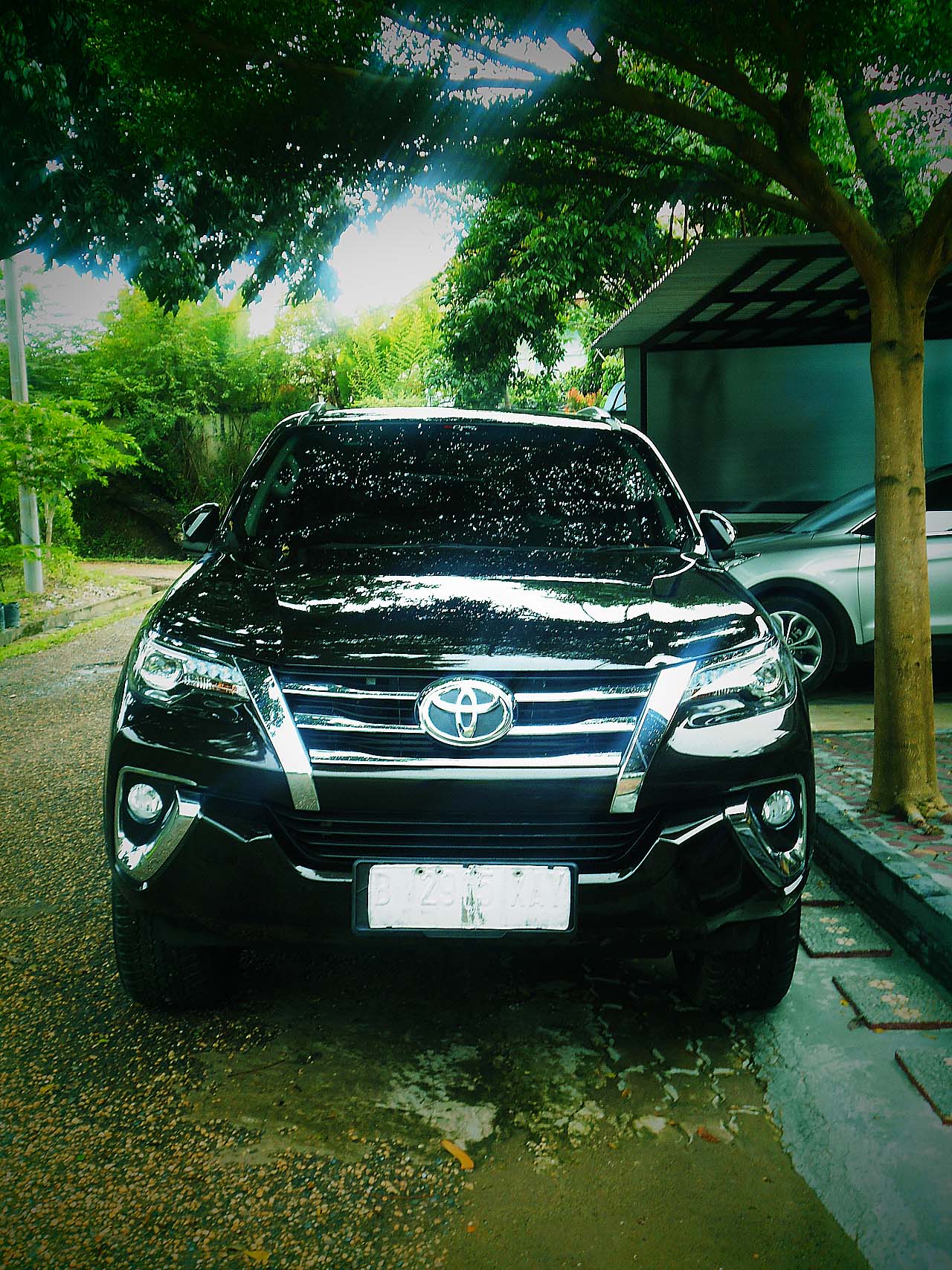
2016 Toyota Fortuner 2.8 4x4 AT
177 HP · 10s · ₹33.0 lakh
The Verdict
The first-gen Fortuner created the obsession. The second gen justified it.
The Vibe
Refined. Commanding. Wobbles exactly as much as it's supposed to.
Best For
Anyone who wants genuine off-road capability wrapped in something their family won't complain about on the highway.
Skip If
Body roll offends you. Which probably means you've never taken a vehicle where it actually needs to flex.
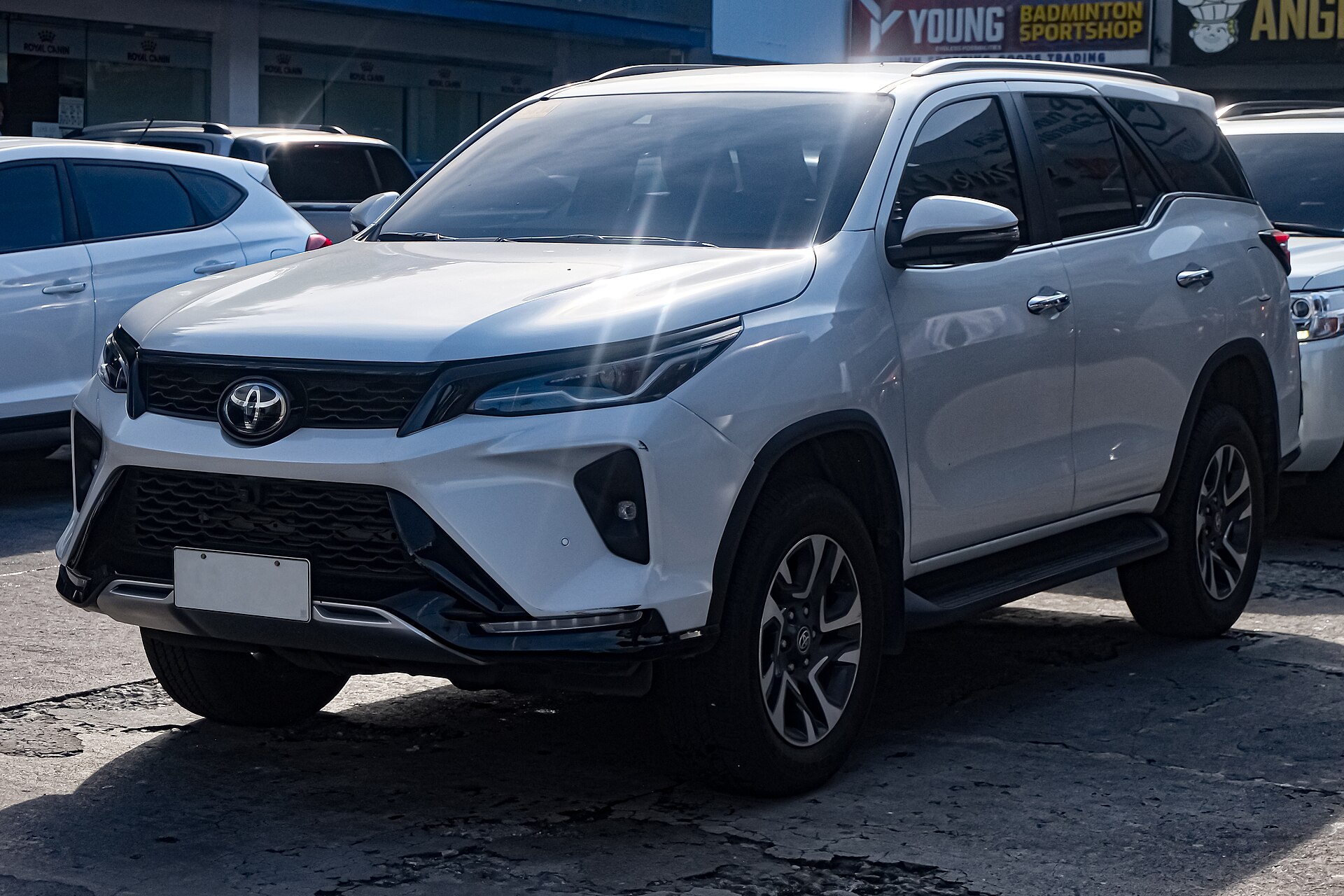
The second-gen Fortuner arrived in 2016 and did something unusual for a Toyota. It looked good.
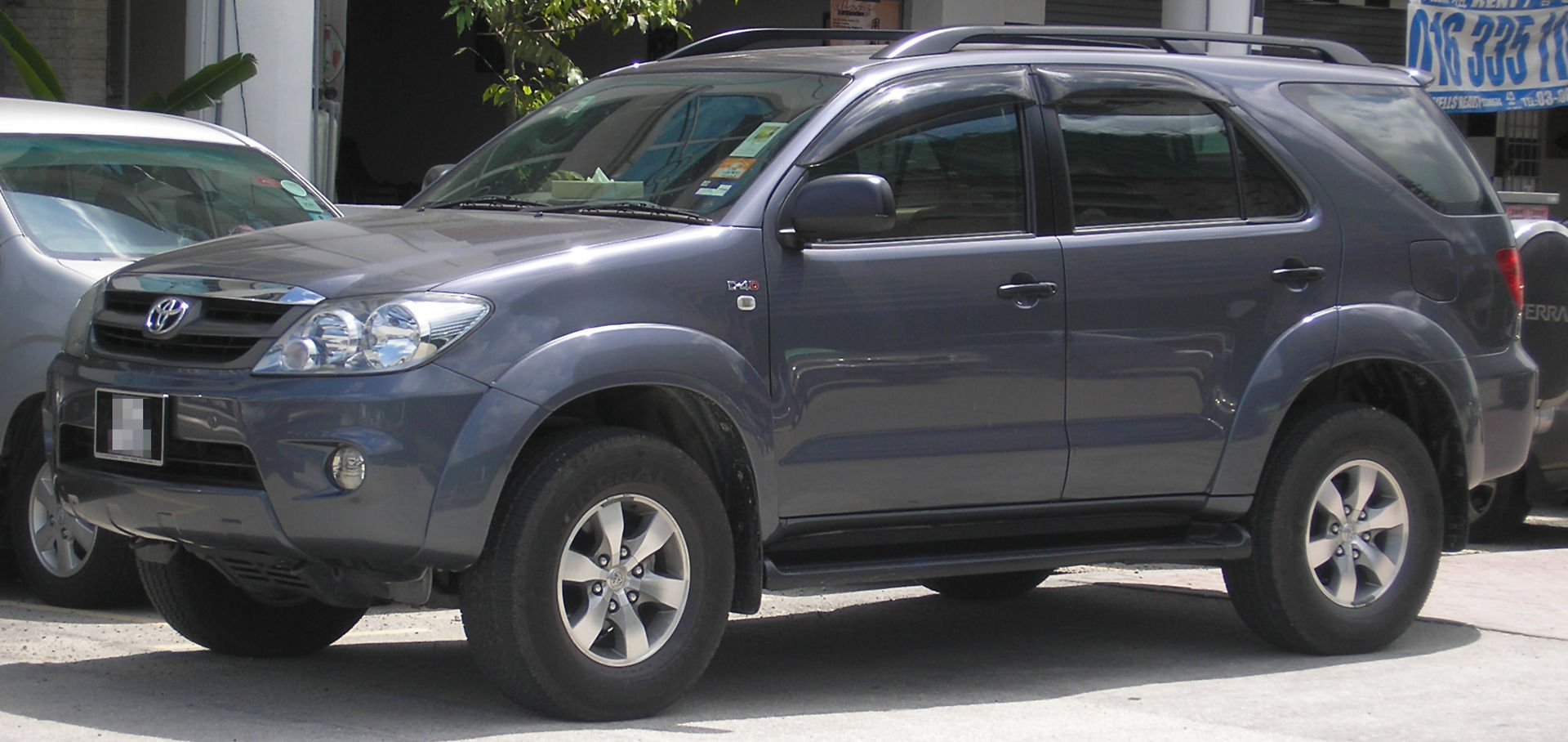
The first gen was honest but plain. A functional box on wheels. The second gen has creases, angles, a grille that looks like it has opinions. The LED daytime running lights give it a face. The proportions are better. The stance is more planted. Toyota hired someone from the design department this time, and it shows.
2.8L 1GD-FTV diesel
torque (6-speed AT)
with low-range transfer case
fuel tank
The Engine That Ties Two Bloodlines Together
The 1GD-FTV 2.8-litre diesel. The same engine family that makes the Innova Crysta special. In the Fortuner, it makes 177 HP and a genuinely impressive 450 Nm of torque through the 6-speed automatic. That's 107 Nm more than the first-gen's 3.0-litre. From a smaller engine.
The torque arrives at 1,600 RPM and stays until you run out of road or reasons. Overtaking on a single-lane highway loaded with family and luggage is a non-event. You indicate, you press, you're past. The 6-speed automatic is a significant improvement over the old 5-speed. Shifts are smoother, faster, and it actually finds the right gear before you've finished swearing at it.
The 4WD system retains the part-time setup with low-range transfer case. Same philosophy as before: 2WD for daily driving, 4WD when the road gives up on being a road. The wading depth is 700mm. Enough to cross the kind of flooded road that appears in Indian monsoons with the regularity of a government holiday.
The Wobble. Let's Talk About the Wobble.
Every YouTube review of the Fortuner mentions body roll. Every forum post. Every auto journalist. The Fortuner wobbles in corners. The body leans. On highway lane changes, you can feel the body moving independently of the chassis. It's there. It's real. And I am going to explain why it doesn't matter, because apparently I'm the only person willing to do so.
The Fortuner is a body-on-frame vehicle. The body sits on top of a separate ladder chassis, connected by rubber mounts. When you turn, the chassis responds first. The body follows. There's a delay. That delay is body roll.
This is not a design flaw. This is the fundamental engineering trade-off of body-on-frame construction. The same rubber mounts that allow body roll also allow the chassis to flex over rough terrain without transferring every impact into the cabin. The same suspension geometry that permits lean in corners also permits wheel articulation off-road.
A monocoque SUV doesn't wobble. A monocoque SUV also bottoms out on the first proper trail it encounters. The Fortuner wobbles because it can actually go where the marketing brochure says it can go. Most monocoque SUVs can't. They just don't wobble while they can't.
I wobble too. At speed, in corners, after a large meal. Nobody has written a YouTube review about my body roll. The Fortuner and I understand each other.
The Fortuner wobbles because it can actually go where the marketing brochure says it can go. Most monocoque SUVs can't. They just don't wobble while they can't.
The Interior Upgrade
The second-gen interior is a genuine leap. Soft-touch materials on the dashboard. A touchscreen infotainment that actually responds to your finger the first time. Automatic climate control. An instrument cluster that doesn't look like it was designed for a commercial vehicle.
The seats are better shaped, better bolstered, better for long distances. The second-row captain seats in higher variants turn the back into a properly comfortable place. The third row remains a place of penance, suitable for children and adults you wish to punish, but that's true of every three-row SUV that isn't a Land Cruiser.
The driving position is commanding in the way all Fortuners are commanding. You sit high. You see far. The bonnet still stretches out ahead. The sense of being above the world is intact. Toyota understood that this was the product. The view. The authority. The feeling. Everything else is packaging.
171 HP / 343 Nm
1st Gen Fortuner (3.0L, 5AT)
177 HP / 450 Nm
2nd Gen Fortuner (2.8L, 6AT)
Smaller engine, more torque, better gearbox. Toyota's engineers did more with less. The chassis stayed honest. The cabin got civilised.
The numbers that refined the formula.
Engine
Performance
The second-gen Fortuner is the one that cemented the nameplate. The first gen created the desire. The second gen made it sustainable. It's refined enough for daily use, capable enough for occasional adventure, and imposing enough to maintain the social contract that a Fortuner owner has with Indian traffic.
Is it the best SUV for the money? Depends what you value. If you want on-road dynamics, a Tucson or a Kodiaq will embarrass it in corners. If you want genuine off-road capability, a ladder chassis and 4WD with low range, combined with Toyota's legendary reliability, the Fortuner is one of two or three options in India. And it's the one that also works as a status symbol.
The wobble is real. The wobble is physics. The wobble is the price of admission for a chassis that can take you places a monocoque can't. I've made my peace with it. The Fortuner wobbles, and I am simply not sophisticated enough to be bothered.
Full Data Sheet
Dimensions
Fuel Economy
Safety
Specifications sourced from Toyota official specifications . Last verified: 2024-12-01.