Toyota · daily driver
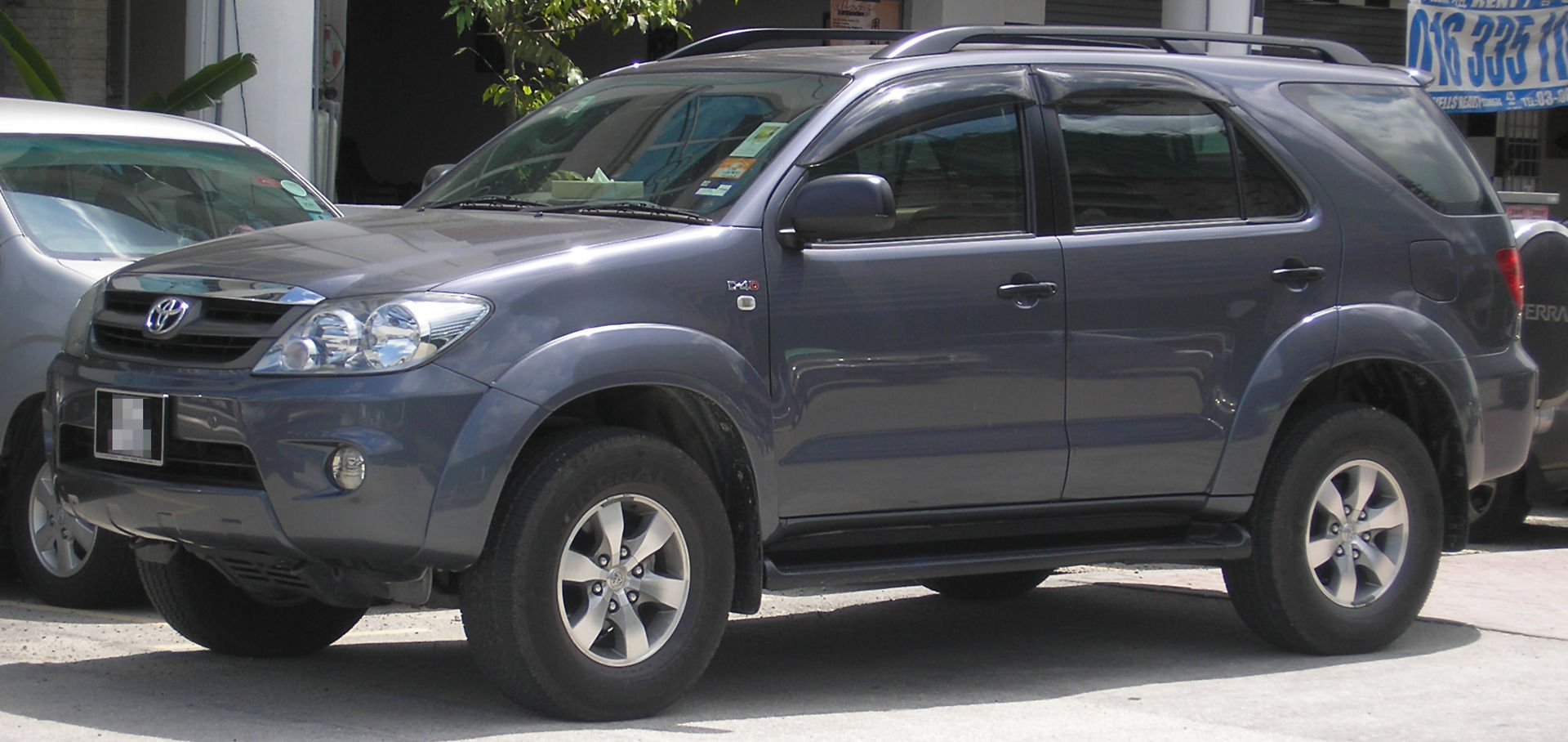
2009 Toyota Fortuner 3.0 4x4 AT
171 HP · 11.8s · ₹22.0 lakh
The Verdict
The car that taught India to sit higher than everyone else. Everything that followed is this car's fault.
The Vibe
Towering. Diesel. The beginning of an obsession.
Best For
Anyone who wants to understand why India fell in love with SUVs. It started here.
Skip If
You expect refinement from a 2009 body-on-frame diesel SUV. Adjust your expectations. Then drive it.
Before the Fortuner, successful Indians drove sedans. A Honda Accord. A Toyota Camry. Maybe a Mercedes C-Class if they wanted to announce it.
After the Fortuner, successful Indians drove SUVs. All of them. The Fortuner didn't just sell well. It rewired an entire country's understanding of what a status vehicle looks like. Taller. Wider. More commanding. Everything that followed, every compact SUV, every mid-size crossover, every pretender to the throne, exists because this car proved that India wanted to sit above traffic, not in it.
3.0L 1KD-FTV diesel
torque from 1,400 RPM
part-time system
fuel tank
The 3.0 That Started Everything
The 1KD-FTV 3.0-litre diesel was Toyota's big diesel workhorse. Same family as the HiLux, same family as the Land Cruiser Prado. It made 171 HP and 343 Nm, which in 2009 was serious output for an SUV in India.
The engine is not refined. Let's be clear about that. It starts with a clatter that tells the entire neighbourhood you're leaving. The turbo whistle is audible at low speeds. The NVH at idle would make a German engineer write a strongly worded memo.
But get it on a highway and the character shifts. The torque is available from 1,400 RPM, which means overtaking is a thought followed immediately by an action. No waiting. No downshift drama. Just diesel torque doing what diesel torque does. The 5-speed automatic is adequate. Not brilliant. Adequate. It shifts when it thinks about it, and sometimes you wish it would think faster.
The 4WD system is part-time with a low-range transfer case. Most Fortuner owners will never use low range. Many don't know where the lever is. But it's there, and it works, and on the rare occasion someone takes their Fortuner off-road, the car reminds them that it was built for surfaces worse than Bangalore's roads. Which is saying something.
The Height Advantage
Sit in a first-gen Fortuner and look out. You are above everything. Sedans. Hatchbacks. Auto-rickshaws. Cows. You are surveying traffic from a position of absolute authority. The bonnet stretches out ahead of you like a landing strip. The roofline of the car next to you is at your elbow level.
This is what India bought. Not the 4WD. Not the 3.0 diesel. The height. The commanding view. The feeling that you are somehow more important than everyone else on the road because your car is physically larger than theirs.
Is this rational? No. Is it understandable? Completely. Indian traffic is an exercise in competitive intimidation, and the Fortuner wins by default. Nobody cuts off a Fortuner. Nobody honks aggressively at a Fortuner. The car's sheer presence creates a buffer zone of respect that no amount of defensive driving courses can replicate.
Toyota sold a feeling. The feeling was: I'm above this. Literally.
Nobody cuts off a Fortuner. Nobody honks aggressively at a Fortuner. The car's sheer presence creates a buffer zone of respect that no amount of defensive driving courses can replicate.
The Honest Downsides
The interior is what Toyota considered premium in 2009 for a developing market. Which means hard plastics, a basic audio system, and switchgear that feels like it was designed for durability rather than pleasure. The seats are comfortable but not supportive in corners. The steering is vague in the way all body-on-frame SUVs are vague. You're pointing the car in a general direction and hoping it agrees.
The ride quality on bad roads is surprisingly good, because that's what body-on-frame with long-travel suspension does. On smooth highways, the car floats and wanders and reminds you that it was designed for a different kind of surface.
Fuel economy is somewhere between bad and irrelevant. If you're counting kilometres per litre in a first-gen Fortuner, you bought the wrong car. The 80-litre tank exists because Toyota knew you'd need it.
Sedans = status symbol
Before Fortuner (2008)
SUVs = status symbol
After Fortuner (2010+)
The Fortuner didn't just change what people bought. It changed what people wanted. Every SUV-crazy Indian is living in the world this car created.
The numbers that started India's SUV obsession.
Engine
Performance
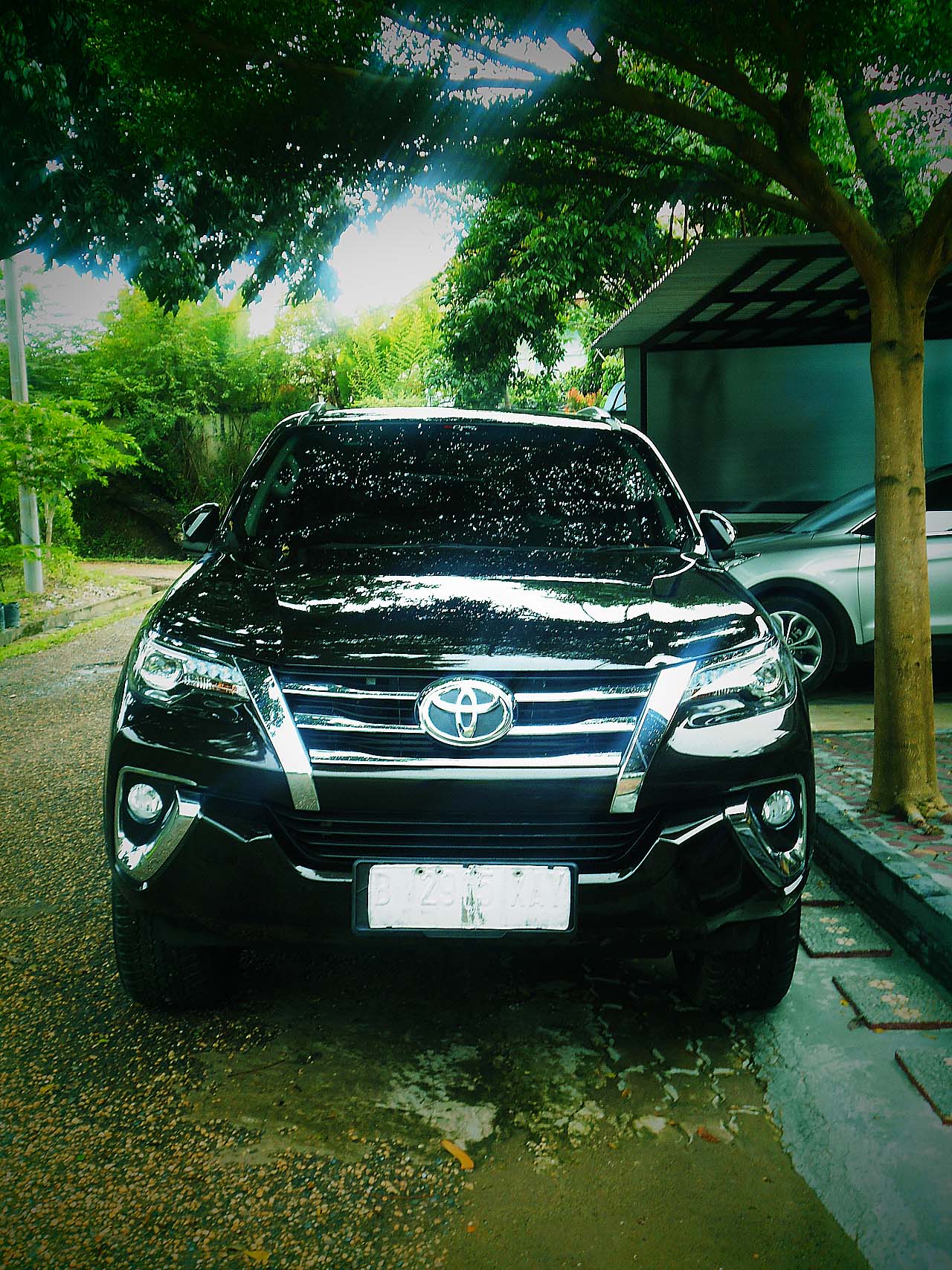
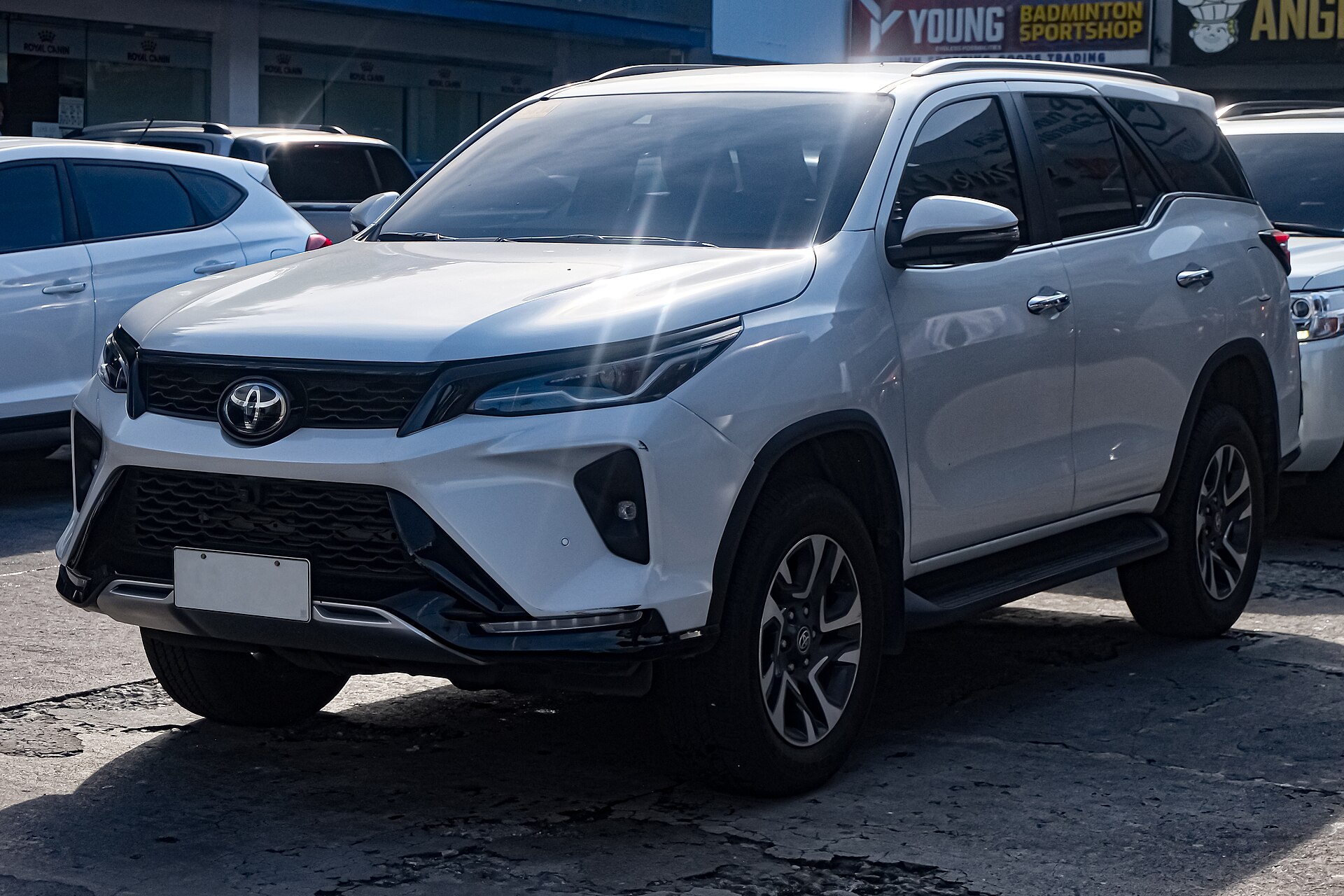
The first-gen Fortuner sold for seven years in India. Toyota facelifted it once, added some chrome, updated the headlamps, and otherwise let the formula work. Because it was working. Every year, the waiting list stayed long. Every year, the resale value stayed absurd. Every year, some automotive journalist would write that the Fortuner was overpriced for what it offered, and every year, India collectively ignored them.
The car that started the obsession. Not the most refined. Not the most capable. Not the best value. Just the one that proved India wanted something bigger, taller, and more imposing than what it had been settling for.
Everything that came after is this car's fault. And I mean that as a compliment.
Full Data Sheet
Dimensions
Fuel Economy
Safety
Specifications sourced from Toyota official specifications . Last verified: 2024-12-01.