Toyota · daily driver
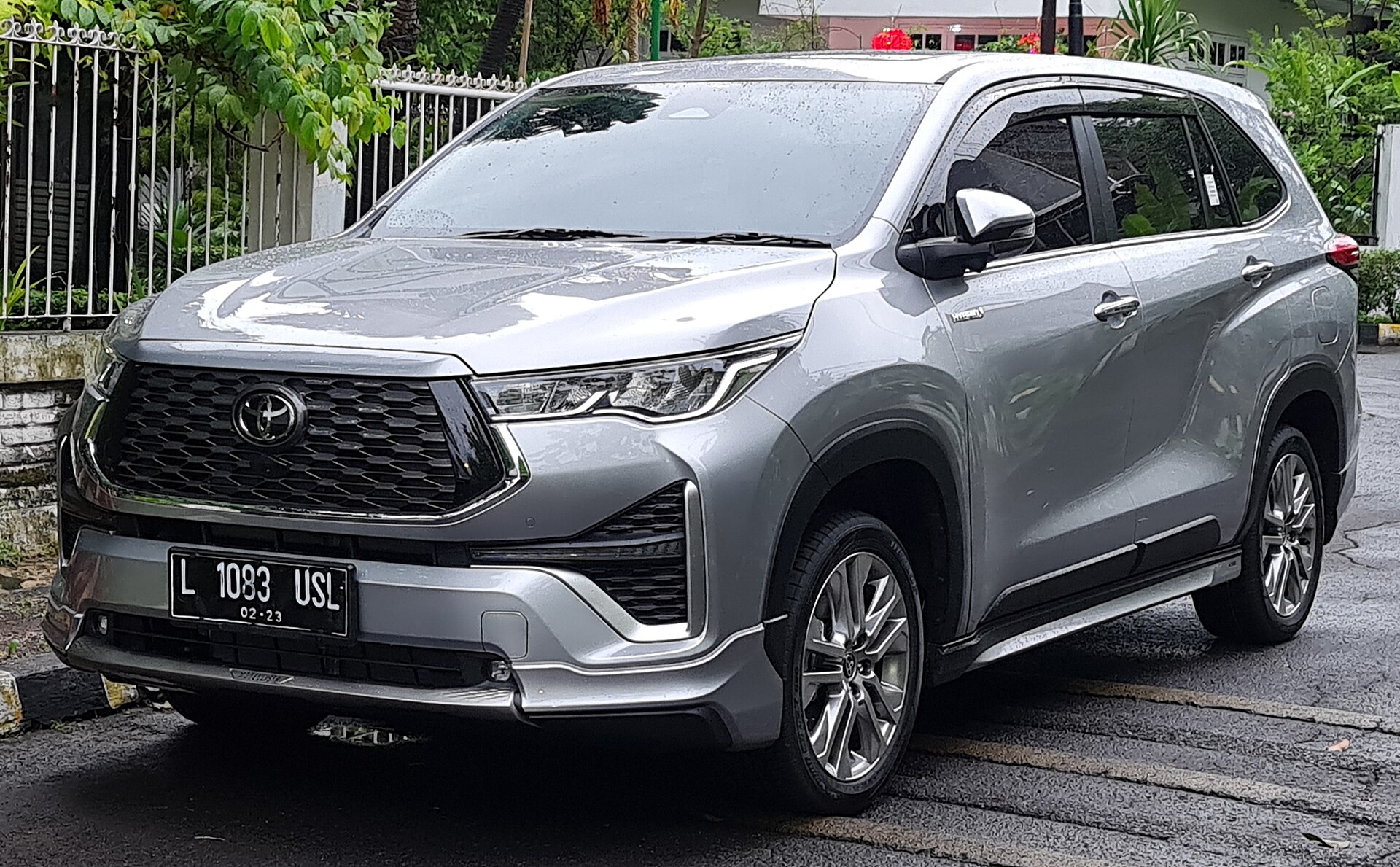
2023 Toyota Innova HyCross ZX(O) Hybrid
186 HP · 9.5s · ₹29.0 lakh
The Verdict
Toyota rebuilt the Innova from scratch. Everything improved on paper. Something got lost in translation.
The Vibe
Smooth. Efficient. Slightly hollow if you loved the Crysta.
Best For
Families who want the Innova badge with hybrid efficiency and a smoother ride. The practical choice.
Skip If
You loved the Crysta's diesel growl and build quality. This car will make you miss things you didn't know you cared about.
Let me tell you what happened when I first sat in the HyCross.
I closed the door. And I waited for the thunk. That heavy, sealed, bank-vault thunk the Crysta makes. The sound that tells you everything about the car before you've driven a metre.
The HyCross door closed. It went... click. A perfectly adequate click. An engineered, acceptable, meets-all-specifications click. And in that click, I understood what Toyota had traded away.
2.0L hybrid system
claimed efficiency
wheelbase (+100mm)
curb weight (-190kg)
The Numbers Are Impossible to Argue With
On paper, the HyCross embarrasses the Crysta.
186 HP combined system output versus 174. A longer wheelbase by 100mm, which means more legroom everywhere. Almost 200 kg lighter because monocoque construction doesn't need the heavy ladder frame. Fuel economy that makes the Crysta's diesel look like it's drinking through a straw. 21+ km/l claimed. In a seven-seater. That's not efficiency. That's witchcraft.
The TNGA-C platform gives it proper independent suspension all around. The ride is smoother. The handling is more composed. Highway stability is better. The NVH is dramatically improved because a petrol hybrid doesn't have diesel clatter.
Every objective measurement says this is the better car. I am not arguing with the measurements. I am saying the measurements don't capture everything.
The Plastic Problem
Push on the door panel. It flexes.
Push on the dashboard trim. It gives slightly. Press on the B-pillar cover. There's a hollowness there that the Crysta never had. Knock on the side panel from outside. The sound is different. Higher-pitched. Less dense.
This is what monocoque construction does when you optimise for weight reduction. The panels are thinner. The materials are lighter. The gaps between inner and outer panels are managed differently. None of this affects safety. The HyCross is structurally sound and passes every crash test regulation it needs to.
But it feels different. And "feels" is the word that Toyota's engineering team probably hates right now, because they did everything right except the things you can't put on a spec sheet.
The Crysta felt like it was carved from a single block of intent. The HyCross feels assembled. Competently assembled. Precisely assembled. But assembled.
The Crysta felt like it was carved from a single block of intent. The HyCross feels assembled. Competently assembled. Precisely assembled. But assembled.
The Sound of Silence
The hybrid powertrain is brilliant. Genuinely brilliant. Start the car and nothing happens. Silence. The electric motor pulls you out of your parking spot without waking up the engine. In city traffic, you can drive for stretches on pure electric. The petrol engine comes in when needed and leaves when it's done, like a polite guest who knows when the party's over.
At highway speeds, the 2.0-litre Atkinson-cycle petrol is smooth and refined. The e-CVT doesn't hunt for gears because it doesn't have any to hunt for. The transition between electric and petrol is nearly seamless.
But that's the thing. The Crysta's 2.8 diesel wasn't seamless. It was characterful. You felt it working. You heard it working. You were connected to the mechanical reality of the thing in a way that modern cars have decided you shouldn't be. The HyCross insulates you from the powertrain. The Crysta invited you into it.
I know which one is objectively better. I know which one I miss.
174 HP / ~12 km/l / 1,880 kg
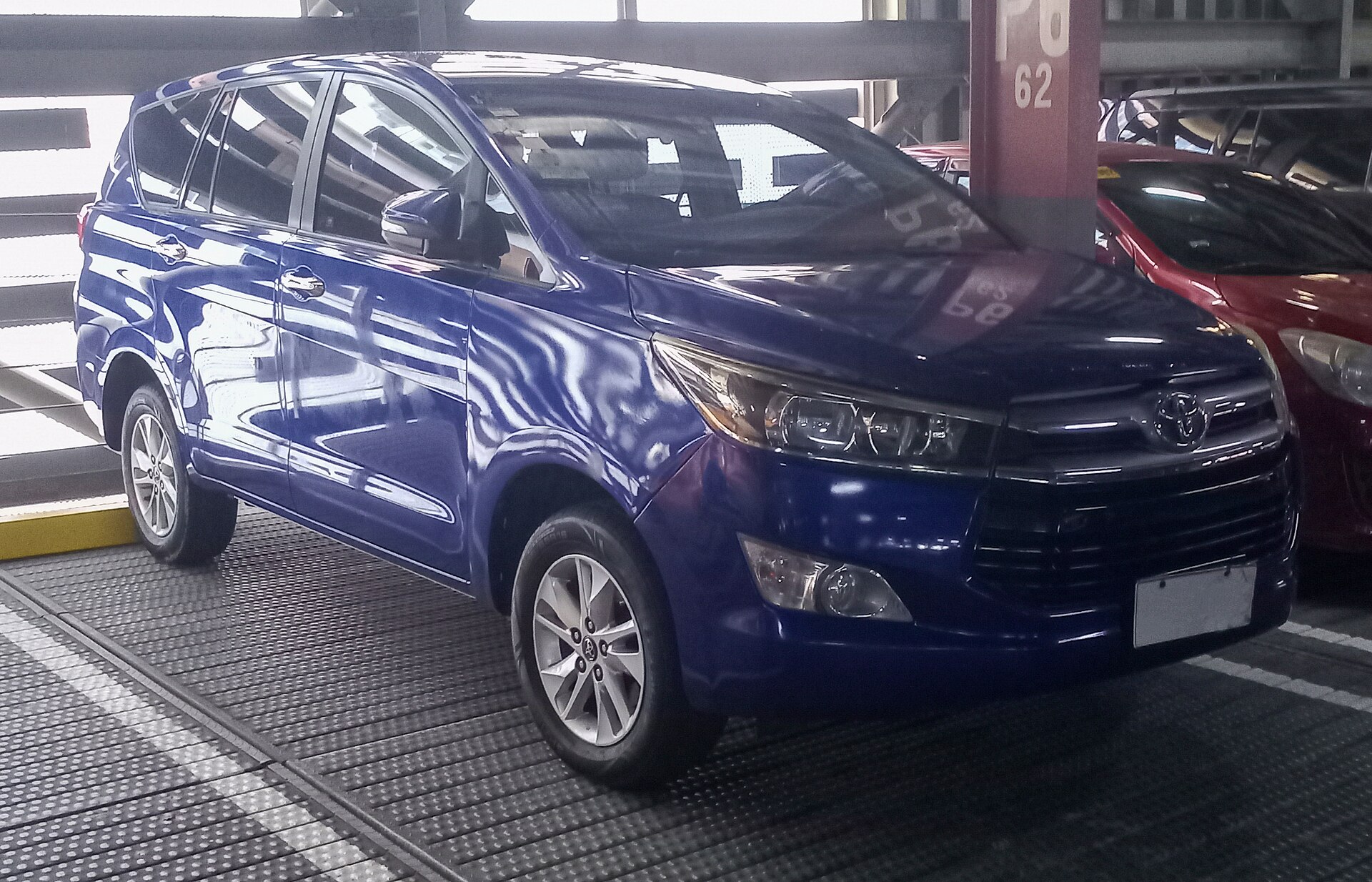
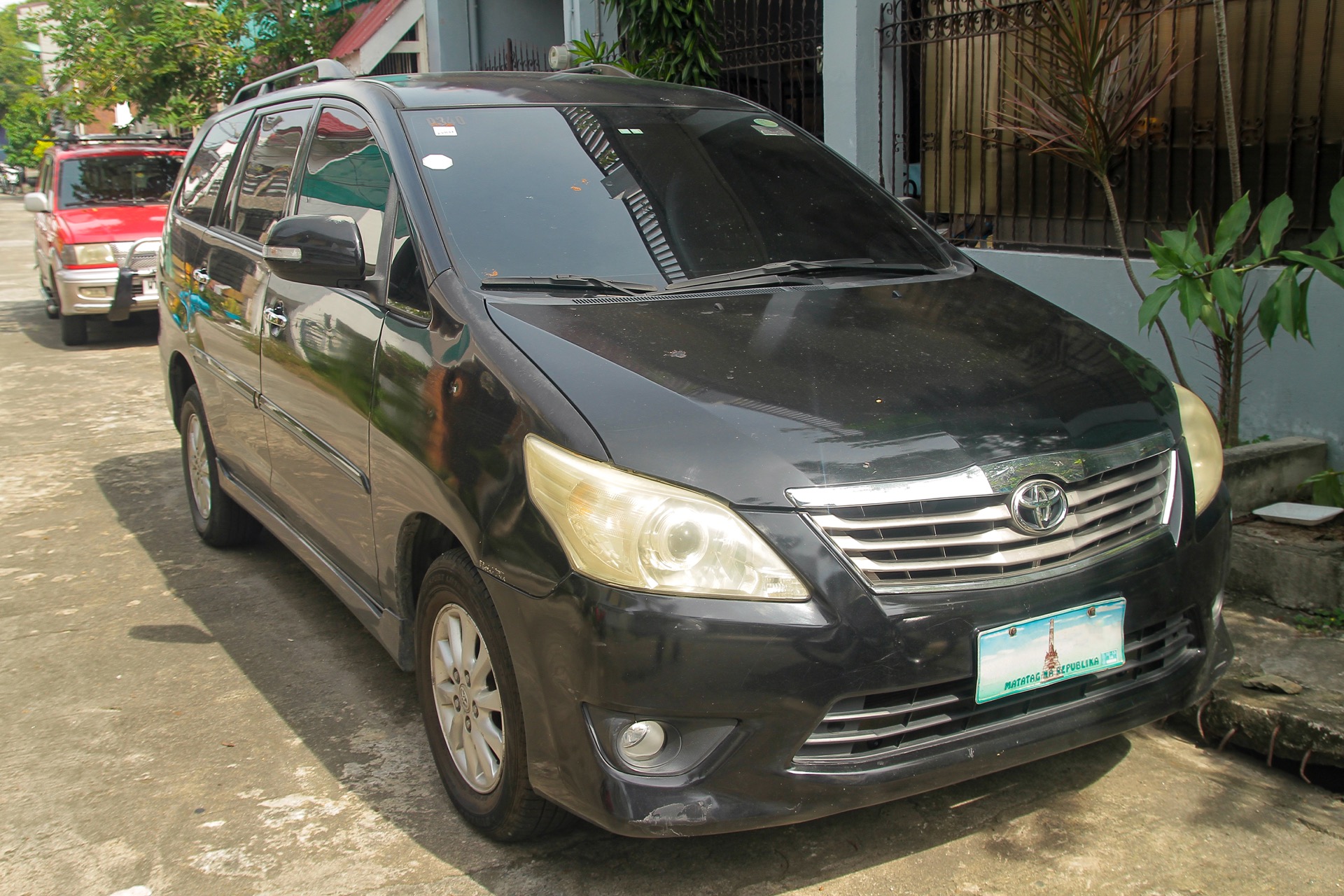
Innova Crysta 2.8Z (diesel, BOF)
186 HP / ~21 km/l / 1,690 kg
Innova HyCross Hybrid (petrol, mono)
The HyCross is lighter, more efficient, more powerful, and smoother. The Crysta sounds better, feels more solid, and closes its doors with more authority. Pick which argument you want to win.
The numbers that made the Crysta redundant. On paper.
Engine
Performance
Here's what I think happened. Toyota looked at the Innova's future and saw emissions regulations, fuel economy mandates, and a global platform strategy that didn't have room for a body-on-frame diesel MPV. They made the rational choice. The smart choice. The choice that future-proofs the nameplate for the next decade.
And they're right. The HyCross is the correct car for 2023 and beyond. Diesel is dying in passenger cars. Body-on-frame MPVs are an endangered species. The future is hybrid, monocoque, and efficient.
But I'm going to miss the Crysta the way you miss a restaurant that closed. The new place has a better menu, better lighting, better prices. You just liked the old one more. You can't explain it. You don't need to.
The HyCross is a solid car that does everything well. The Crysta was a brilliant car that made you feel something. Toyota chose well. I just wish they hadn't had to choose.
Full Data Sheet
Dimensions
Fuel Economy
Safety
Specifications sourced from Toyota official specifications . Last verified: 2024-12-01.